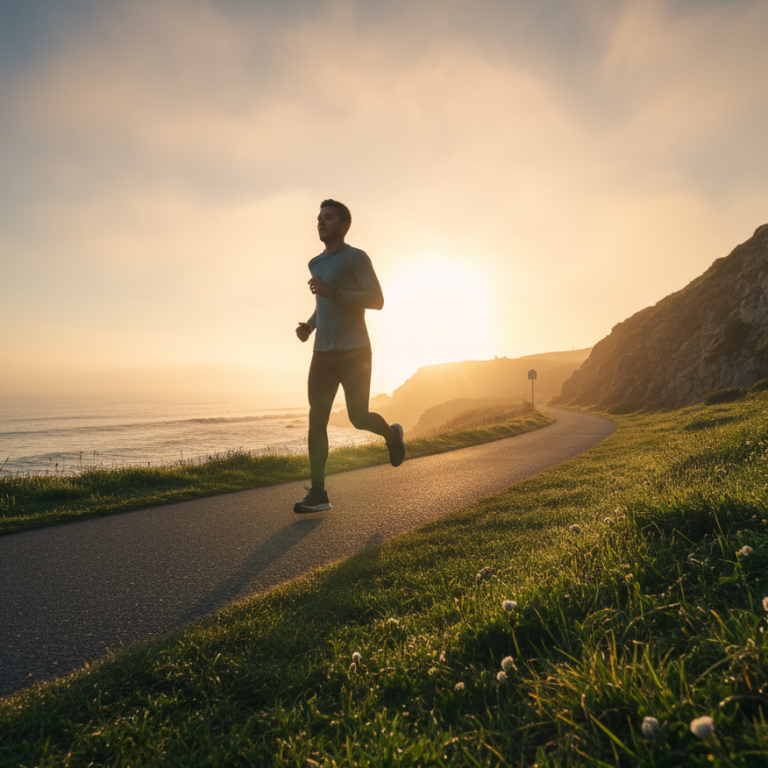
Drinking more water isn’t the only way to stay hydrated in 2025. Using small recovery pauses, adding the appropriate minerals, and timing drinks are ways to maintain consistent energy levels from dawn to dusk.
Why hydration 2.0 beats “just water”
In order to maintain neuronal signaling, muscular function, and consistent energy particularly during hot weather, physical activity, or extended workdays — functional hydration mixes fluids with electrolytes such as potassium, sodium, and magnesium.
In order to improve gut comfort and clarity and to substitute sugary energy options, consumers are increasingly turning to mineral-forward drinks in the morning.
The simple daily system
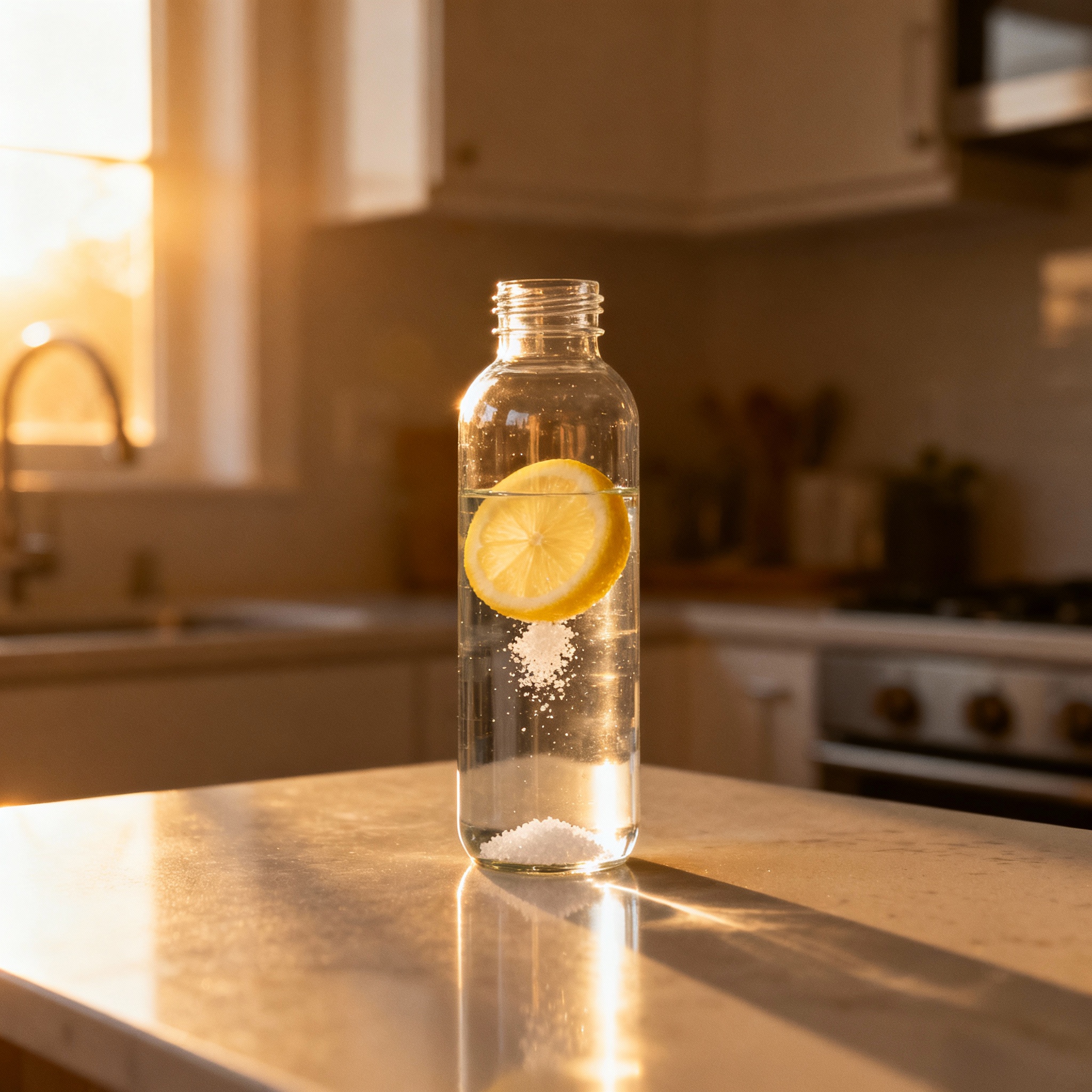
- Morning primer: 300–500 ml water with a light electrolyte mix or a pinch of mineral salt to rehydrate after sleep and set steady energy.
- Activity booster: For workouts or heat, sip 250–300 ml every 15–20 minutes; incorporate electrolytes to avoid cramping and sustain performance.
- Evening ease: Favor plain water or herbal infusions keep minerals lighter to avoid late night bathroom trips.
Micro‑breaks: the hidden hydration multiplier
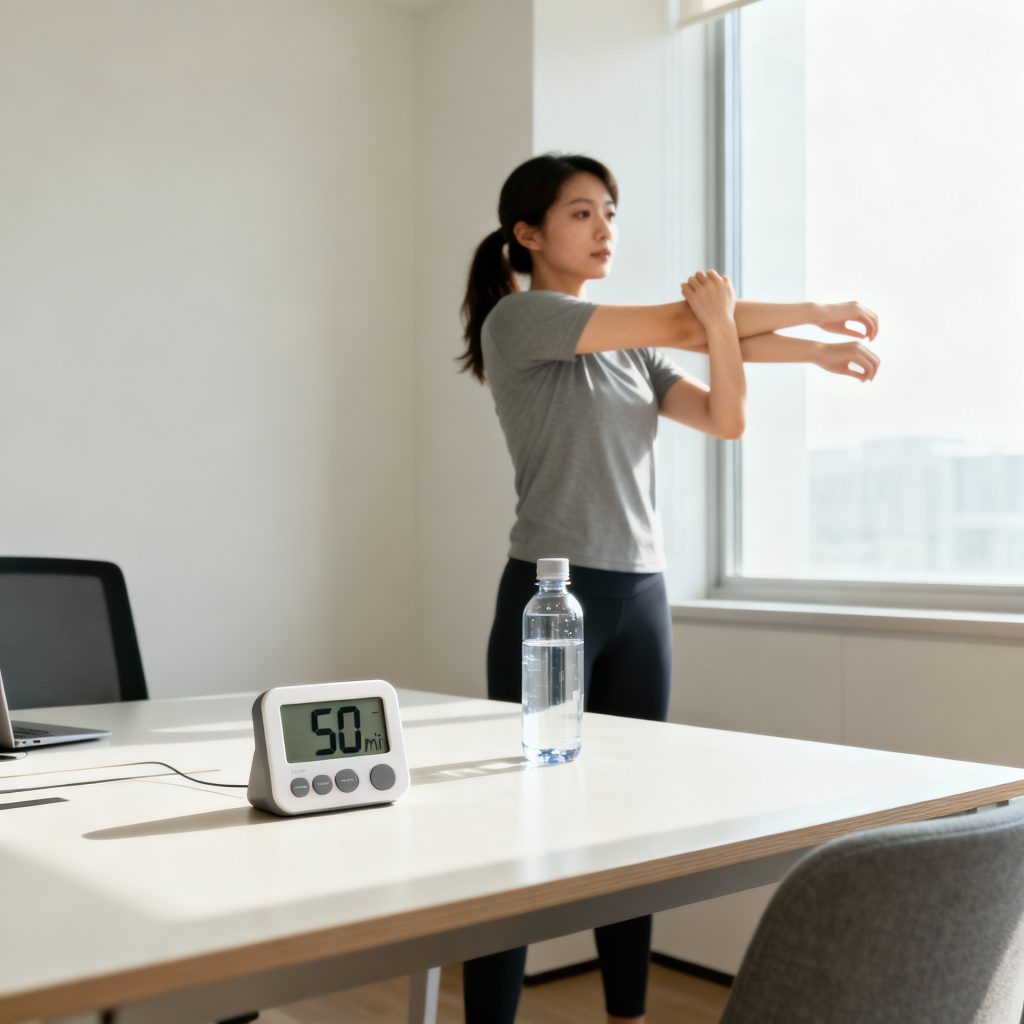
Short “micro breaks” of 1–5 minutes reduce fatigue and help maintain vigor—perfect moments to sip, stretch, and reset posture. Meta analysis shows micro breaks reliably cut fatigue and boost vigor, with longer short breaks aiding performance on lighter tasks.
How to implement at work
- Take 60–120 seconds every 30–60 minutes to stand, roll shoulders, and drink a few drinks.
- Pair micro breaks with task shifts or calendar prompts for automatic cadence.
- Add one longer 7–10 minute reset mid afternoon to counter the slump.
Protein timing plays well with hydration
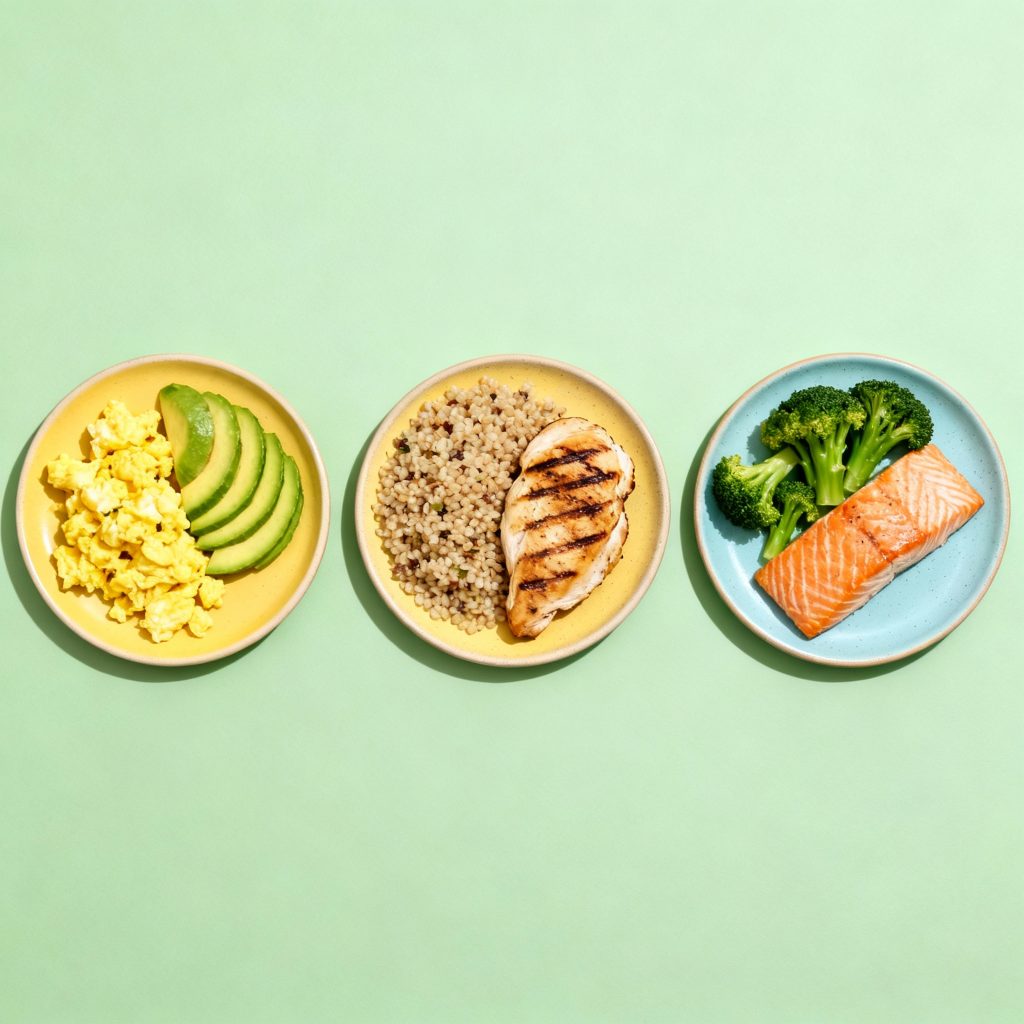
Balancing protein across meals—especially adding 25–30 g at breakfast—supports muscle maintenance and satiety, complementing hydration for steadier energy and fewer snack crashes. Studies suggest uniformly distributing protein can boost 24 hour muscle protein synthesis versus conserving most protein until dinner.
Easy distribution template
- Breakfast: 25–30 g protein plus fluids and minerals (e.g., yogurt bowl, eggs, or smoothie).
- Lunch: 25–30 g protein with fiber rich carbs; sip water regularly rather than all at once.
- Dinner should consist of 25–30 g of protein and less electrolytes unless you are training late.
Make it stick
- To preserve sleep, prepare a one to two-liter water bottle every morning and finish by the early hours of the evening.
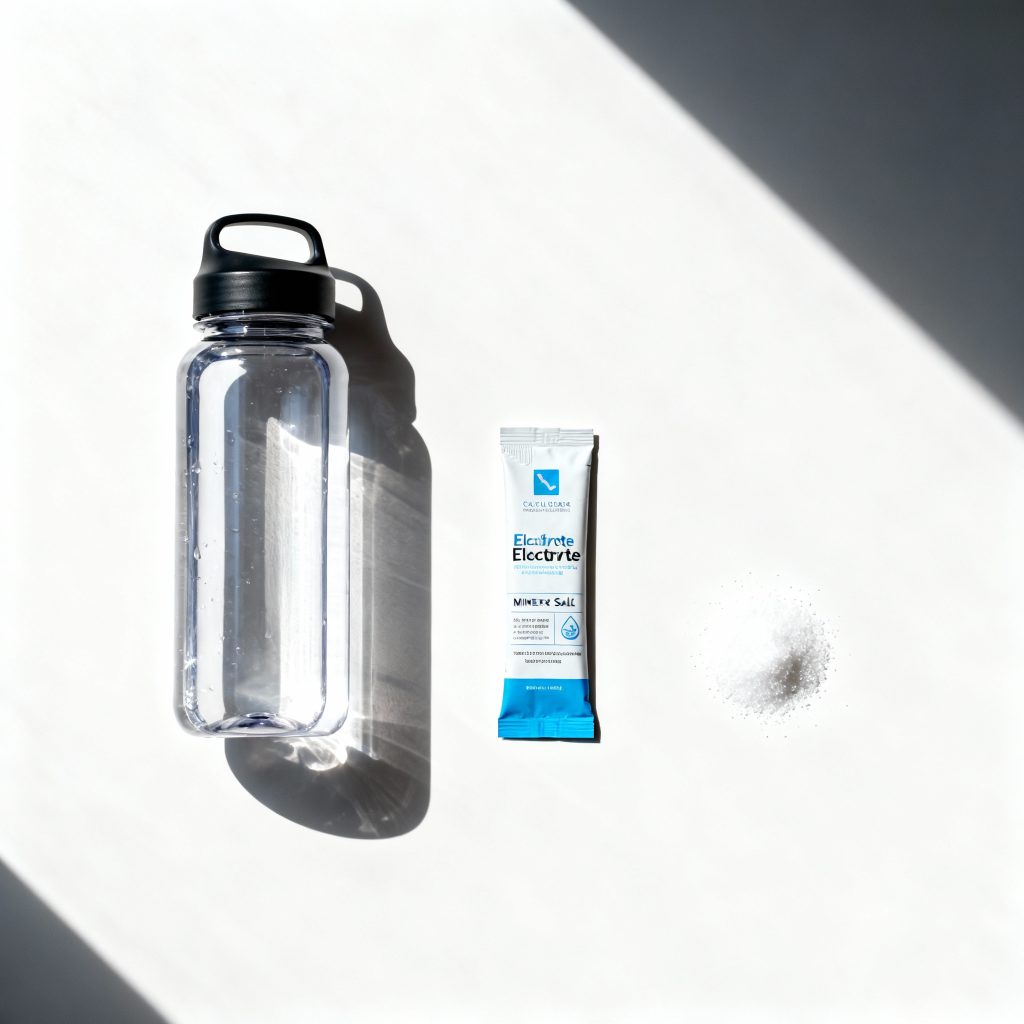
- For hot days or extended workouts, keep single-serve electrolyte packets at your desk and in your gym bag.
- Utilize micro-break indications, such as calendar alerts, end-of-email notifications, or smartwatch reminders to stand, take a sip, and stretch.
Without complicated routines or strict rules, the combination of hydration, micro-breaks, and smart protein timing leads to calmer energy, better focus, and faster recovery.