
Think guided breathing, micro-movement, and a protein-anchored breakfast for more stable mornings and clearer afternoons. Wellness in 2025 encourages tiny, repeated behaviors that reduce stress and sharpen focus without completely revamping life.
Why this works

- According to randomized trials and meta-analyses, breathwork consistently provides small-to-medium effects on lowering depressive symptoms, anxiety, and perceived stress, most likely through autonomic nervous system regulation.
- While longer, shorter breaks help with performance on lighter tasks throughout the day, short micro-breaks (1–5 minutes) consistently reduce fatigue and increase vigor in knowledge work.
- Compared to skipping breakfast or choosing high-carb options, a protein-rich meal promotes satiety and enhances pre-lunch concentration, enabling more consistent cognitive energy throughout the morning window.
The 7‑day plan
Day 1–2: Set the baseline
- To reduce tension and improve focus, try box breathing for three minutes after waking up: inhale four times, hold four, expel four times, repeat six to eight times.
- Take a 90-second microbreak every 50 minutes at work, which should include standing, shoulder rolls, neck release, ten calm breaths, and drinking water. To help you stay on track, set a timer.
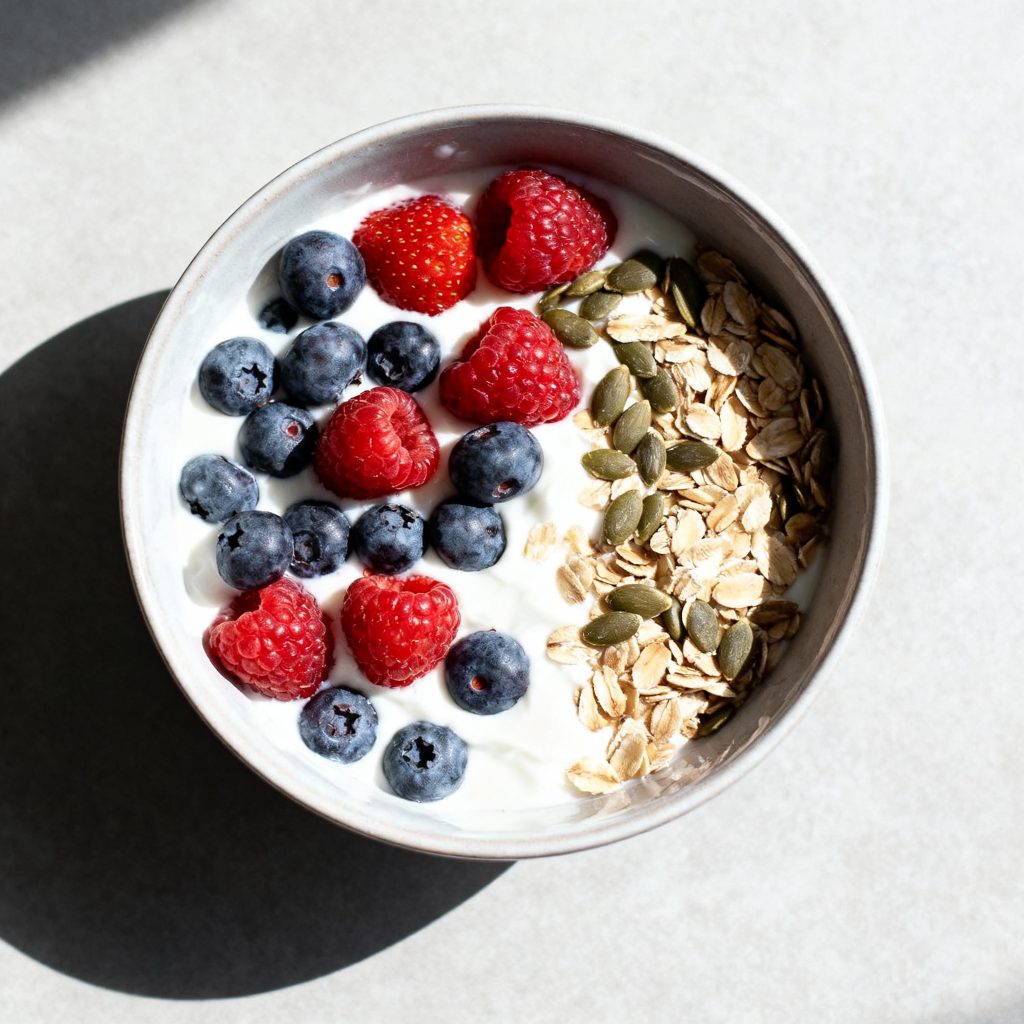
- Breakfast anchor: 25–30 g of protein to increase satiety and focus before lunch (e.g. eggs + fruit, skyr + oats).
Day 3–4: Layer mobility for posture
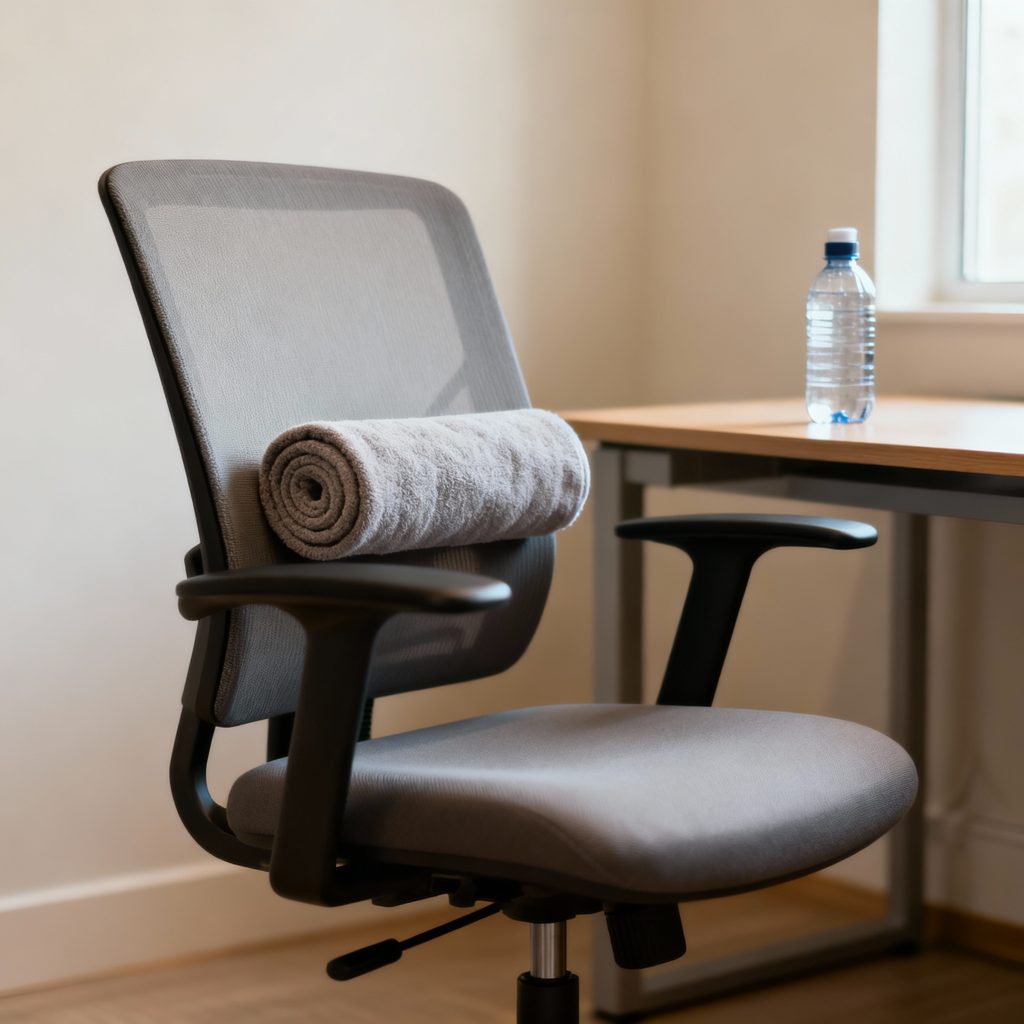
- Include a two-minute thoracic opener that involves placing your hands in a mid-back chair and performing mild rotations and extensions to counteract screen posture during a single microbreak block.
- Continue your protein-first breakfast and breathwork as soon as you wake up. Keep a brief journal to record any changes in your mid-morning cravings or level of focus.
Day 5–6: Extend the breath and walk
- To increase parasympathetic tone and lower arousal prior to deep work blocks, try 6 minutes of timed breathing: inhale for 4–5 seconds, exhale for 5–6 seconds, using only your nose.
- After lunch, take a quick 7–10 minute stroll to help with postural tiredness and to refocus before afternoon duties.
Day 7: Consolidate and customize
- Next week, plan two regular micro-breaks with mobility and stick to the best-feeling breath regimen (box vs. paced).
- To make the procedure automatic on hectic mornings, set a default breakfast that consistently contains 25–30 g of protein.
Troubleshooting guide
- “I don’t remember breaks.” To remind yourself to stand and breathe, place a water bottle in a visible location and set a pomodoro timer or calendar alert for fifty minutes.
- “It feels weighty to be protein.” Switch to a whey-based smoothie, skyr, or cottage cheese for a lower volume while still getting 25–30 g of protein.
- “I feel tired after breathing exercises.” To remain relaxed but attentive, use shorter stays or focus on slightly longer exhalations without breath holds.
What to expect in a week
In line with 2025’s focus on preventive, practical wellbeing, most report calmer mornings, less post-lunch crashes, and easier transitions between tasks. Over time, these behaviors compound into higher stress resilience and daily cognitive steadiness.
To extend the mood and energy advantages throughout the day, if desired, combine this reset with Zone 2 activity and morning light exposure three to four days per week.