
Taming the Modern Monster
Stress is the 21st century’s secret pandemic. That low-level, persistent buzz of dread that lurks in your social media feed, inbox, and to-do list. We’ve all experienced it: balancing a thousand demands while wearing a smile to cover up our jangled nerves.
One important fact, though, is that stress isn’t “in your head.” Prolonged stress affects your body physiologically by weakening your immune system, increasing blood pressure, and interfering with sleep. Indeed, according to a comprehensive survey, more than 77% of people frequently suffer from health symptoms brought on by stress. Your preventative health is directly at risk, thus ignoring it is not an option.
We at PulseVIT think that taking charge of your health doesn’t have to mean completely changing your way of life. Small, doable measures are taken first, such as a 5-minute mental reset. The goal of this tutorial is to learn the art of stress management, not to completely eradicate stress (that isn’t possible!). No matter how busy life gets, we’ll teach you realistic, scientifically supported stress-reduction techniques that will help you become more resilient, regain your focus, and promote true mental wellness. Are you prepared to breathe more easily? Let’s get started.
Understanding the Stress Cycle: From Fight-or-Flight to Freedom
To effectively handle stress, you must first understand what you’re dealing with. Your body’s natural “fight-or-flight” reaction to stress is meant for short-lived, life-threatening situations, such as fleeing a lion. Your body is flooded with adrenaline and cortisol, the primary stress hormone, at that precise time, providing you with a surge of vitality and increased consciousness.
Our “lions” these days are things like an impending deadline, a challenging conversation, or an unrelenting news cycle. Although your body responds similarly, the tension remains. Long-term health problems, exhaustion, and burnout might result from this persistently elevated cortisol level. The crucial first step in taking control of your healthy habits and reaching mental wellbeing is recognizing the symptoms, which may include headaches, difficulties sleeping, irritability, or even digestive problems.
Learning to control this internal chemistry rather than repressing these emotions is a major objective of stress management. You wish to become proactive (living with clarity and serenity) instead of reactive (living in “fight-or-flight” mode).
The 5 Essential Strategies for Instant Stress Relief

1. The Power of the 4-7-8 Breath: Your Portable Calming Tool
- Details: Simple, physiological technique to manually switch off the stress response. Inhale 4, hold 7, exhale 8.
- Keywords: stress relief, breathing exercises, healthy habits.
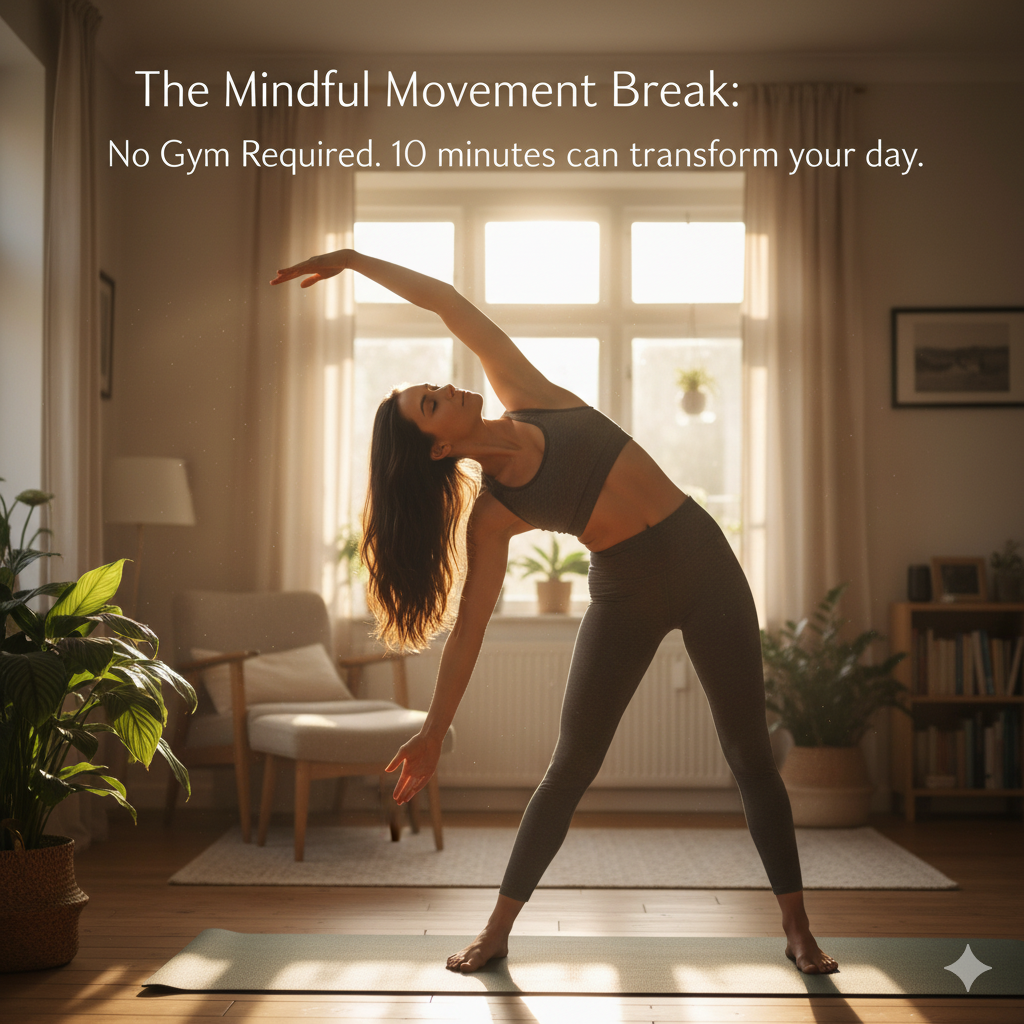
2. The Mindful Movement Break (No Gym Required)
- Details: Incorporate short, intentional movement (stretching, walking) into your day. Even 10 minutes can significantly reduce cortisol.
- Keywords: fitness routines, stress management, healthy habits.
- Statistic Idea: Mention that even moderate physical activity is a powerful tool against anxiety and depression.
3. The “Brain Dump” Journaling Technique
- Details: Writing down anxieties or to-dos to clear mental space. Helps identify controllable vs. uncontrollable stressors.
- Keywords: mental wellness, stress management, journaling.
4. Setting the “Digital Sunset” for Better Sleep Optimization
- Details: Limiting screen time (especially blue light) an hour before bed. Link between poor sleep optimization and heightened stress.
- Keywords: sleep optimization, healthy habits, preventive health.
5. Practice the “No” Muscle: Guarding Your Energy
- Details: The importance of setting healthy boundaries to prevent overload and burnout. Only commit to what truly serves you.
- Keywords: stress management, boundaries, burnout prevention.
6. Fueling Your Inner Resilience (Nutrition’s Role)
- Details: Simple nutrition tips (less caffeine/sugar, more whole foods) to stabilize mood and energy.
- Keywords: nutrition tips, mental wellness, preventive health.
Taking Control of Your Preventive Health

A Compelling Call-to-Action
Your path to improved mental health begins now. Choose one of the above stress-reduction techniques, such as the 4-7-8 breath, and put it into practice right now. Build your resilience one deep breath at a time rather than waiting for a disaster. Are you prepared to advance in your quest toward preventive health? For weekly advice on stress management, fitness, and nutrition, sign up for the PulseVIT newsletter and leave your best stress-relieving tip in the comments section below!