While living alone might provide comfort and freedom, it also increases some dangers for older persons, such as the health effects of loneliness and isolation, falls, medication errors, hunger, and delayed emergency assistance. Over one in four older persons fall each year, making falls the leading cause of injury-related death among adults 65 and older. The risk can be increased when an individual is alone due to potential dangers and delayed assistance. Social isolation and loneliness exacerbate safety issues for individuals living alone by raising the risks of depression, frailty, cardiovascular disease, cognitive decline, and even early death. Another high-risk area is medication management; older persons living alone are more prone to experience adverse drug events and dose errors due to polypharmacy and complicated schedules.
Common problems older adults face when living alone

- Falls and home dangers: The majority of serious injuries happen at home, where the likelihood of a fall is increased by trip hazards (rugs, wires, clutter), inadequate lighting, insufficient leg strength, balance issues, and sedative drugs.
- Delayed emergency response: If a spouse or caregiver is not close by, a fall or other acute occurrence may lie unnoticed for hours, which could affect recovery and results.
- Medication mistakes and interactions: Missed doses, double dosing, or dangerous drug interactions can be caused by a number of prescriptions, eyesight problems, memory problems, and inadequate labeling.
- Malnutrition and dehydration: Cooking alone, having trouble moving around, and having a decreased appetite might result in consuming insufficient amounts of protein and produce, which weakens the body and compromises immunity.
- Depression, loneliness, and isolation: Social detachment raises the risk of chronic diseases, cognitive impairment, and a higher all-cause mortality rate.
- Household management strain: Over time, stress and safety concerns might increase as a result of chores, bills, transportation, and house upkeep that exceed capacity.
Red flags family and neighbors should not ignore
- Unknown bruises, a sudden fear of walking, or a reluctance to use the restroom or stairs indicate recent falls or near-falls that need for evaluation and home adaptations.
- Missed prescriptions, misplaced pill bottles, repeated refills, or unclear dosage all point to a serious risk of hazardous drug events and the immediate need for support networks.
- Nutritional deficiencies and possible dehydration are indicated by a bare cupboard, rotten food, abrupt weight loss, or recurrent takeaway without produce or protein.
- Frequent “no answer” calls, withdrawal from social interactions, or a flat mood are indicators of increased loneliness and depression risk, which can hasten health deterioration.
- Burned cookware, congested walkways, piles of unpaid bills, and dim illumination are examples of environmental and mental indicators linked to stress and accidents
Practical fixes that preserve independence
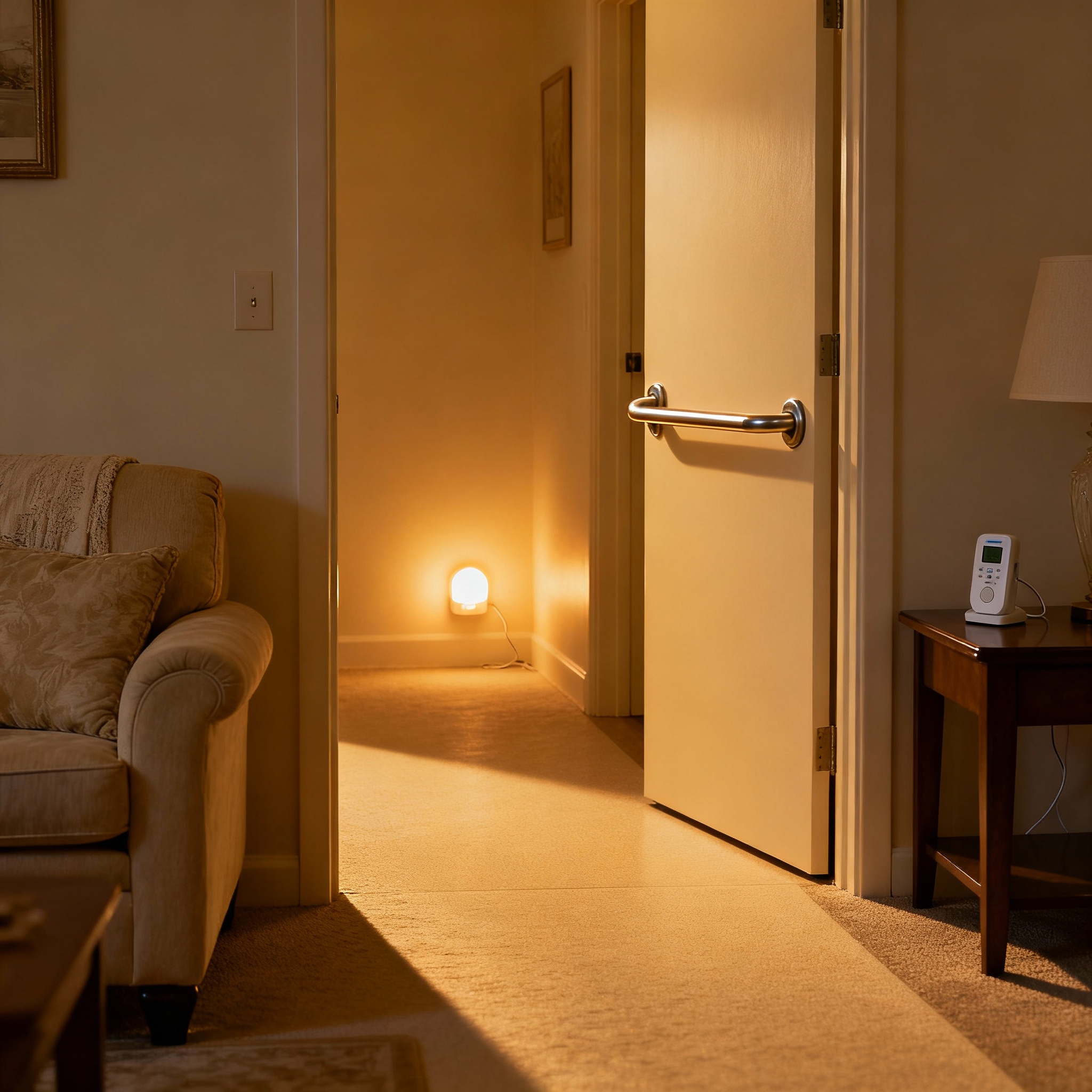
- Now make your house safer: To cut down on bending and reaching, clear out clutter and throw rugs, install grab bars and non-slip mats, upgrade lighting, and raise commonly used objects to waist height.
- Establish a fall prevention regimen: A daily steady walk combined with two to three days of leg-strength and balance exercises (such as sit-to-stands, step-ups, and heel-to-toe walking) lowers the risk of falls and boosts confidence.
- Include a rapid-response layer: Use a fall-detecting medical alert device, have phones handy, and set up daily “I’m okay” check-ins with family or neighbors to reduce the time it takes to get help.
- Simplify medication: Use blister packs or secured pill organizers with alarms to minimize errors, ask a pharmacist for a thorough evaluation, and, if at all possible, combine to once-daily regimens.
Care team and community supports to leverage

- Primary care and pharmacy: Ask for a medication optimization plan to cut down on sedatives and minimize interactions, as well as yearly fall-risk screening, vision exams, and vitamin D assessments.
- Local aging services: For individuals living alone, Area Agencies on Aging, volunteer ride programs, and meal services help fill in the gaps in transportation, food access, and social interaction.
- Home safety assessments: Community health workers and in-home care companies can recommend adapted equipment, audit potential risks, and provide training on safe mobility and transfers.
- Social prescribing and check-in programs: To reduce loneliness and track welfare, several towns link senior citizens to phone reassurance lines and group activities.
A simple weekly checklist
- Home: Secure grab bars, well-lit walkways, functional nightlights, and easily accessible regularly used things.
- Health: No recent falls or near-falls; prescription drugs taken as directed; a pharmacy review is planned in case there is any uncertainty.
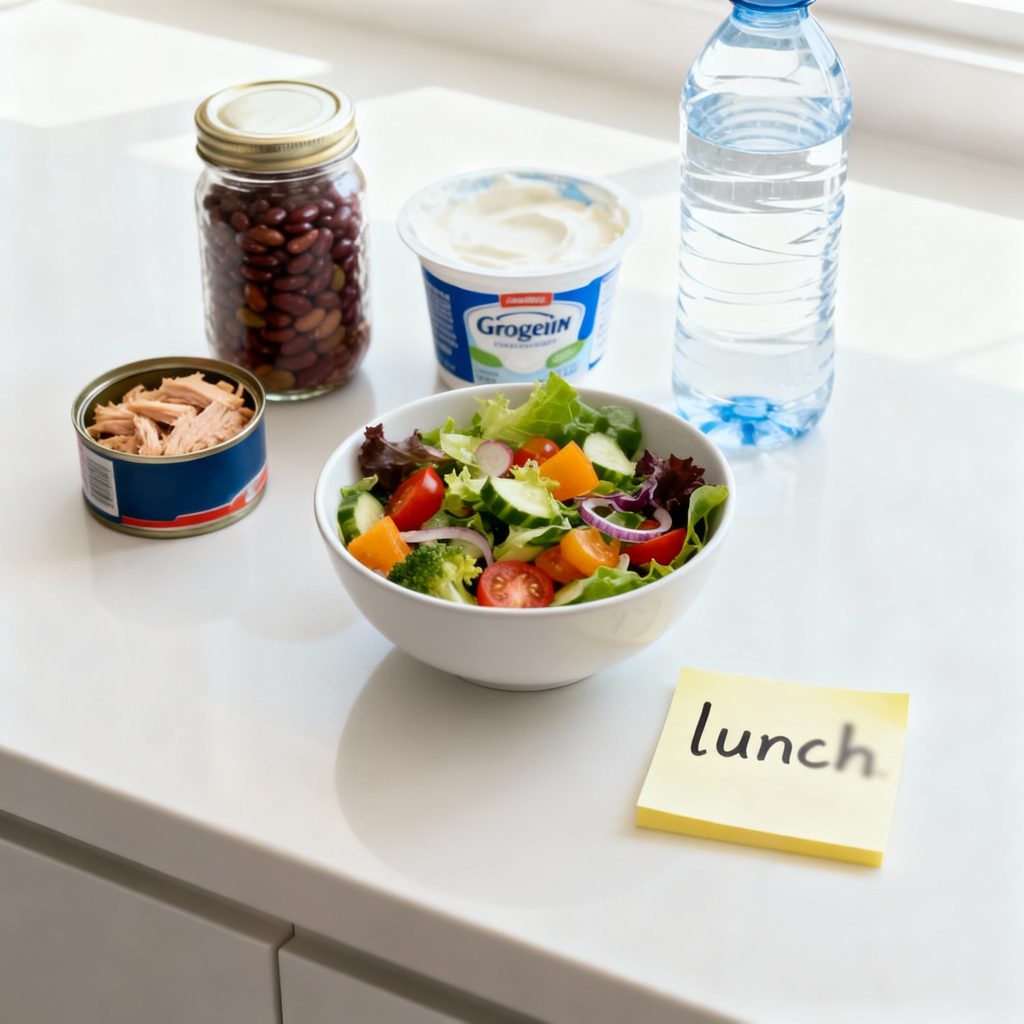
- Nutrition: Drink water with every meal, eat fruits and vegetables, and obtain as much protein as possible each day.
- Connection: This week, two significant contacts or activities were finished; next week is scheduled.
Key takeways
Aging solo can work—when safety, medications, nutrition, and connection are actively supported with simple systems and community help, the risks drop and independence lasts longer. Early action on falls, drug safety, and loneliness yields the biggest gains in health and peace of mind for older adults living alone and the families who love them.