
Small, regular routines that preserve strength, balance, connection, and intellect without overload or extremes are the foundation of healthy aging. Older folks can follow these easy journal prompts at home or with a caregiver thanks to this gentle framework that transforms evidence-based advice.
Morning check-in
- Gentle flexibility or breathing for 5 minutes to relax shoulders, hips, and back, write which stretch felt best and whether pain eased.
- Sleep plan: dim lights, quiet routine, and cool room; note bed time/wake time and one improvement to try tomorrow.
Move to maintain independence
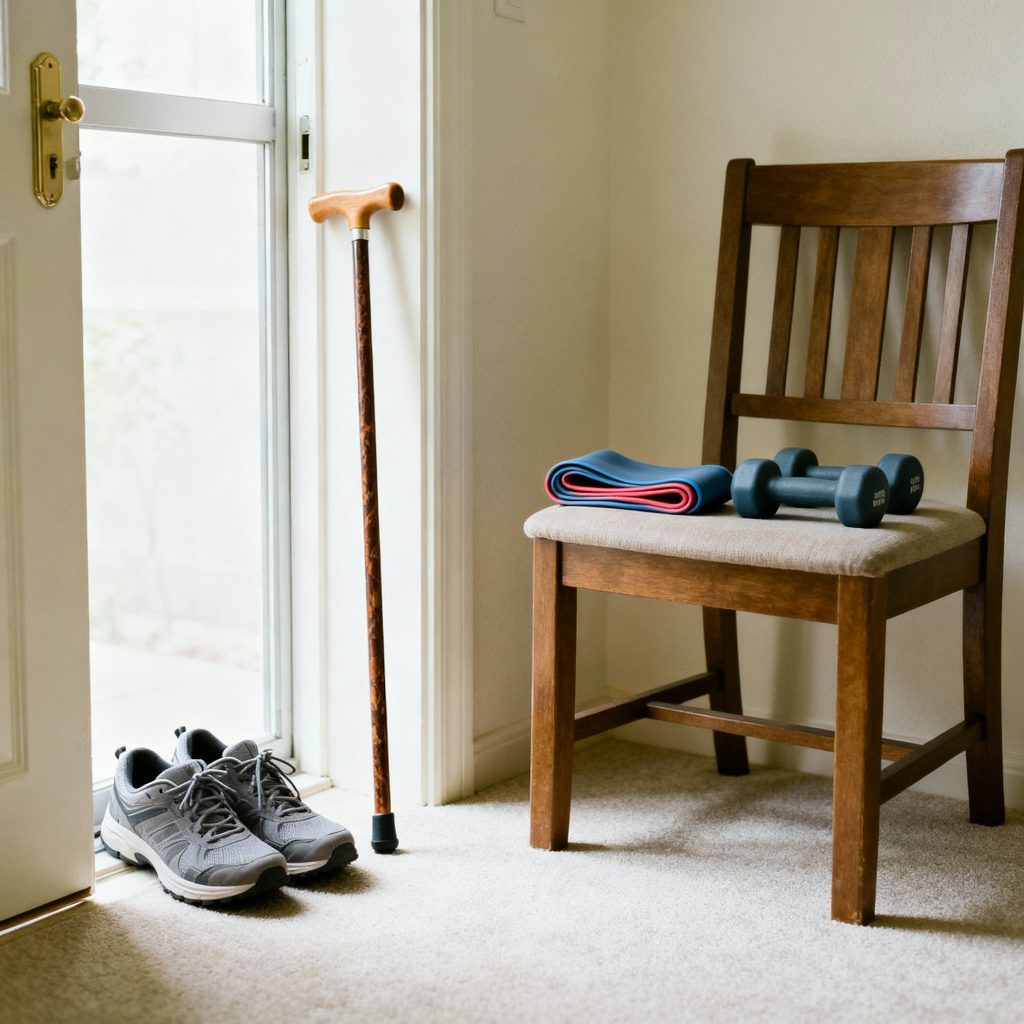
- Aim for 150 minutes per week of easy to moderate activity, such as walking, tai chi, chair exercises, cycling, or swimming, as tolerated.
- Strength and balance exercises, such as wall push-ups, step-ups, and sit-to-stands, should be performed twice a week to assist prevent falls. Note any pain or instability.
Midday safety and mood
Call a friend, talk to your neighbors, enroll in a class, or go to a community event—making connections improves mood and brain health. Keep a social contact journal of the people you connected with today.
Remind yourself to stay hydrated during the afternoon by marking cups or using a bottle; drink frequently with lunch and prescriptions.
Brain‑healthy plate

Take attention of the colors on your plate and the weekly servings of fish and beans. Prefer Mediterranean-style meals that include veggies, beans, nutritious grains, fish, and olive oil.
Over time, this pattern is associated with a decreased risk of dementia and cognitive decline; little changes pile up throughout the week.
Evening wind‑down

Write which stretch felt the greatest and whether the pain subsided after five minutes of gentle breathing or flexibility exercises to relax the shoulders, hips, and back.
Note the bedtime and wake-up time, as well as one adjustment to try tomorrow. Sleep plan: chilly room, calm routine, and dim lighting.
Weekly review prompts
- Did you finish at least two strength and balance sessions this week? Does climbing stairs or getting out of a chair feel easier to you?
- How many days did you reach your protein and produce targets and drink enough water? Did your afternoon energy levels increase?
- Purpose and connection: what activity brought you joy, and what will you do again the following week to keep interested?
Care team and safety notes

- To identify problems early, note blood pressure, weight fluctuations, new swelling, prescription changes, or falls and report them during checkups.
- For easy access during appointments, place vital contacts (family, doctor, pharmacist, and local transportation) in the journal front pocket.
Getting started
- A pen should be fastened to a one-page daily template that has five boxes: Sleep, Meals & Fluids, Movement & Balance, Social & Mood, and Meds & Notes.
- Aim for completion rather than perfection because succinct notes are preferable to blank pages and gradually create a trustworthy health narrative.
This “Elderly Health Journal” turns global guidance on movement, diet, and connection into an easy daily routine, helping older adults preserve independence and enjoy steadier, safer days.